Plastic Welding Machine
Plastic Welding Machine – Affordable High-Quality Equipment for Precision Plastic Joining
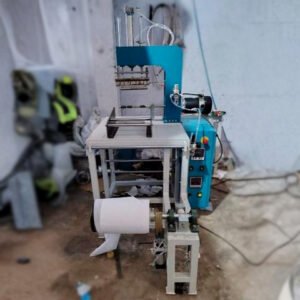
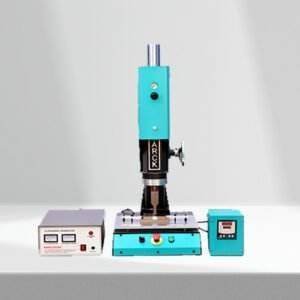
The plastic welding machine is an advanced and high-performance solution designed for precise and efficient plastic joining applications. Operating at a frequency of 50 Hz and a voltage range of 220–440 volts, this machine delivers consistent welding quality, superior strength, and reliable performance across a wide range of thermoplastic materials. Engineered for durability and ease of operation, it is widely used in industries such as automotive, packaging, consumer goods, electronics, and construction. Its robust construction, user-friendly controls, and energy-efficient operation help enhance productivity while ensuring accurate and long-lasting welds. The plastic welding machine manufacturer from Marck Techno is an ideal choice for businesses seeking cost-effective, dependable, and high-quality plastic welding solutions.
What Is Plastic Welding Machine?
MODEL NO: MT01
A plastic welding machine using ultrasonic technology is an advanced system designed to join thermoplastic materials through high-frequency mechanical vibrations. Unlike conventional welding methods that depend on external heat sources, ultrasonic welding creates frictional heat directly at the contact surface of the plastic components, resulting in fast, accurate bonding.
This process is clean, efficient, and economical, producing strong and durable welds without the need for adhesives, fasteners, or solvents. Widely used in industries such as automotive, medical, packaging, and electronics, ultrasonic welding ensures precise and repeatable results within seconds. Its capability to maintain product accuracy, strength, and appearance makes it an ideal solution for mass production while reducing assembly time while enhancing product quality.
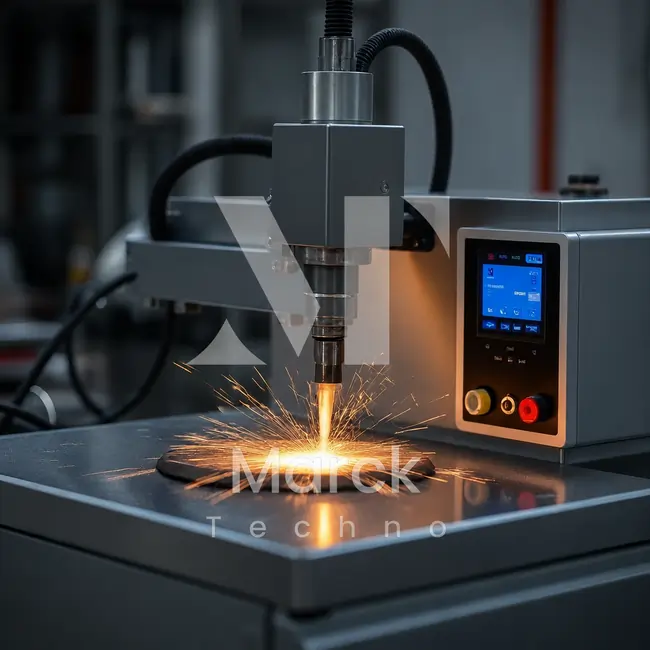
Compatible Materials: PVC, UPVC, ABS & More Plastics
- PVC (Polyvinyl Chloride): Widely used in plumbing, packaging, and medical devices. Ultrasonic welding ensures leak-proof seals and high structural integrity.
- UPVC (Unplasticized PVC): Known for its rigidity and chemical resistance. Ultrasonic welding offers a clean, durable bond without compromising material properties.
- ABS (Acrylonitrile Butadiene Styrene): Popular in automotive and consumer electronics. Ultrasonic welding delivers high-strength joints with excellent surface finish.
- Other Thermoplastics: Polypropylene (PP), Polycarbonate (PC), and Nylon are also compatible, making ultrasonic welding a versatile solution across industries.
Advantages of Ultrasonic Technology in Plastic Welding Machines
- Exceptional Speed and Efficiency: Plastic welding machines deliver weld cycles in less than two seconds, enabling rapid production, improved throughput, and the ability to meet large-scale manufacturing demands effectively.
- Clean and Contamination-Free Process: This advanced welding method eliminates the use of adhesives, solvents, and external heat, producing no fumes or contaminants, making it perfect for sterile and cleanroom environments.
- Reduced Energy Consumption: By using mechanical vibrations instead of continuous heating, ultrasonic welders consume significantly less energy, reducing operational costs while also supporting eco-friendly and sustainable manufacturing practices.
- Compatibility with Automation Systems: Ultrasonic plastic welding machines integrate seamlessly with automated production lines, ensuring precise, repeatable results while minimizing human errors, making them ideal for mass manufacturing and advanced industries.
- Low Maintenance and Operating Costs: With fewer moving parts and no requirement for consumables, ultrasonic welders ensure lower maintenance, reduced downtime, and longer machine life, lowering overall manufacturing and operational expenses.
- High-Quality and Durable Joints: Ultrasonic welding creates strong, seamless, and reliable joints with superior surface finish, ensuring structural integrity and aesthetics across industries like automotive, electronics, medical devices, and consumer products.
Choosing the Right Plastic Welding Machine
Selecting the right plastic welding machine is crucial for achieving efficiency, durability, and cost-effectiveness in manufacturing. Below are key factors to consider before investing:
- Material Compatibility: Always ensure the machine supports the specific thermoplastics you intend to weld, such as PVC, UPVC, ABS, PP, or PC, to guarantee strong, reliable, and consistent joints.
- Weld Size and Geometry: Different components have unique dimensions and designs. Choose equipment capable of accommodating varying weld sizes, part geometries, and thicknesses to ensure accuracy and uniform bonding across applications.
- Automation and Control Requirements: Modern industries demand speed and precision. Opt for machines with programmable controls, adjustable settings, and automation compatibility to streamline production, reduce human error, and improve overall throughput.
- After-Sales Support and Training: Reliable after-sales service, technical support, and operator training play a major role in ensuring long-term performance, minimizing downtime, and maximizing the return on investment for manufacturers.
- Trusted Supplier Partnership: Partnering with a reputable and experienced supplier guarantees you receive a machine tailored to both technical specifications and operational needs, ensuring durability, efficiency, and consistent performance.
Plastic Welding Machine Technical Specifications
Marck Techno’s MT01 series plastic welding machines use ultrasonic vibration to join thermoplastic parts without adhesives or screws. Choose the model by frequency, power, and welding area.
| MODEL NO | MT 01 (20/1500) | MT 01 (18/1500) | MT 01 (20/2000) | MT 01 (15/2600) | MT 01 (15/3200) |
|---|---|---|---|---|---|
| OUTPUT FREQUENCY | 20 KHZ | 18 KHZ | 20 KHZ | 15 KHZ | 15 KHZ |
| OUTPUT POWER | 1500W | 1500W | 2000W | 2600W | 3200W |
| INPUT POWER | 220V, 1P | 220V, 1P | 220V, 1P | 220V, 1P | 220V, 1P |
| WELDING AREA | UPTO 90MM DIAMETER | UPTO 100MM DIAMETER | UPTO 105MM DIAMETER | UPTO 120MM DIAMETER | UPTO 150MM DIAMETER |
| WEIGHT | 90 KG | 90 KG | 90 KG | 100 KG | 100 KG |
| DIMENSIONS (MM) | 460*700*1000 | 460*700*1000 | 460*700*1000 | 460*700*1000 | 460*700*1000 |
| APPLICATION | Small to medium plastic parts, electronic housings, caps | Medium parts, filters, automotive components | Medium parts, higher-volume production, containers | Large, rigid parts, filter housings, automotive lamps | Largest parts, thick-walled and hard-to-weld plastics |
Plastic Welding Machine FAQ
What is a plastic welding machine?
A plastic welding machine joins plastic parts by melting the joint area and fusing it together. Marck Techno's ultrasonic plastic welding machines do this with high-frequency vibration, so no glue, screws or solvents are needed.
Which plastics can be welded with an ultrasonic plastic welding machine?
Most thermoplastics such as ABS, PP, PE, PC, PS, PMMA and nylon. Results depend on part design and material grade, so a trial on your sample is recommended.
What is the price of a plastic welding machine in India?
Price depends on frequency, power rating and any custom horn or fixture. Call Marck Techno on +91 9898343666 with your part details for a quote.
How do I choose the right plastic welding machine?
Choose by part size, material and production volume. 20 kHz suits small to medium parts. 15 kHz suits larger or thicker parts. Our MT01 range covers 1500W to 3200W and welding areas up to 150 mm diameter.
Is ultrasonic plastic welding better than adhesive bonding?
For most production work, yes. It is faster, cleaner and repeatable, and there are no consumables, curing time or fumes.
Do you supply plastic welding machines across India?
Yes. We manufacture in Vatva GIDC, Ahmedabad and deliver across India, with support for installation, horns, fixtures and spares.